

When Empathy Runs Deep: Emotional Intensity in Bipolar Disorder

Updated: Mar 31
This excerpt is in conjunction with World Bipolar Day on 30th March, to explore the lived experiences of individuals with Bipolar Disorder.
"The same intensity that makes the world feel heavy also allows me to love with a depth most people never touch. I am not 'too much.' I am a witness to the full spectrum of what it means to be alive." - Adapted from Kay Redfield Jamison

What is Bipolar Disorder?
Bipolar and related disorders are characterised by periodic, intense emotional states that affect a person's mood, energy and ability to function (American Psychological Association, 2022),
While this clinical definition provides a clear framework aiding in diagnosis and treatment, it does not always capture the multifaceted reality of the disorder.
From the outside looking in, bipolar disorder can be likened to a pendulum swinging between two polarities: mania and depression. But to the individual, it often feels more like being swept away by a waves of intense emotions. And yet, this same intensity can also make individuals more attuned to the silent needs of others..

Living in 4K Resolution: Navigating a Shared Landscape
For most people, life seems to move in a standard resolution. For me, however, my brain feels perpetually set to 4K high definition. While this sharper perception offers a unique depth, it also makes the world feel incredibly intense—sometimes even more than I am ready to process. Because of this, reading clinical descriptions of emotional disorders can sometimes feel like looking at a map of the city I actually live in. The map may accurately label the streets of my diagnosis, but it cannot show you how the pavement burns under the sun when you are living in such high definition.
In my daily life, this basically means there is no "mute button" for the white noise of the world. As I am approaching 24, I have come to realise that I spent much of my life without the protective layer of skin that others seem to have. When someone I love is hurting, it is not a fleeting emotion—it feels as though their grief has my heart in a literal chokehold. I experience their pain almost as if it were my own. In social settings, I find myself noticing every micro-expression, every shift in tone, every flicker of doubt.
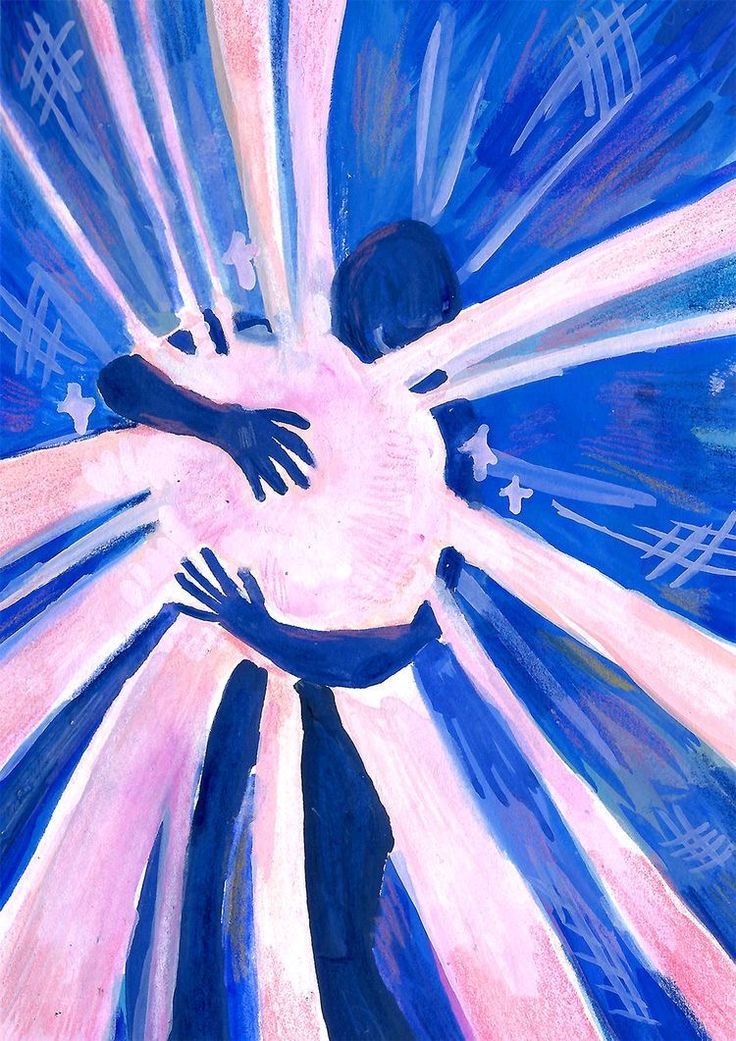
Psychologically speaking, what underlies this experience of having a “missing layer of skin”?
Although World Bipolar Day focuses specifically on bipolar disorder, this "4K" intensity can also be observed in other conditions—most notably in individuals with Borderline Personality Disorder (BPD). A key distinction is that bipolar episodes tend to unfold over weeks, whereas BPD is often characterised by more rapid emotional shifts within a single day. Nevertheless, both experiences share a common thread: emotions do not simply whisper—they shout.
Research by Lemaire et al. (2015) suggests that individuals with bipolar disorder often display heightened reactivity to neutral, everyday stimuli. In other words, the “pavement burns” not only during major emotional events, but also in response to the ordinary moments of daily life. The brain is processing the world at a volume that never quite reaches zero. Seara-Cardoso et al. (2016) offer a useful framework through the concept of affective resonance, defined as the capacity to share or become affectively aroused by the emotions of others. On one hand, this heightened resonance can deepen empathy and connection. Having navigated emotional extremes, individuals may develop a more nuanced understanding of human vulnerability. Because emotions are felt so deeply, offering support to others can come more naturally. Subtle shifts in behaviour or tone that others might overlook become more visible, allowing for responses that feel authentic, attuned, and deeply compassionate.
Affective Resonance and the Cost of Attunement
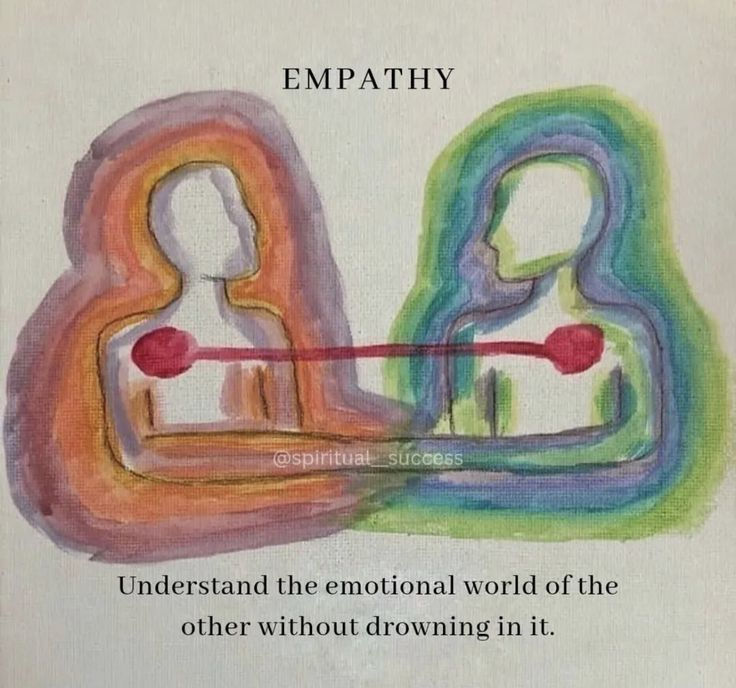
However, being a human mirror can come at a cost.
When this heightened sensitivity becomes dysregulated, it can overwhelm the nervous system. Absorbing the emotions of others at full intensity over prolonged periods can lead to empathy fatigue.
Even in moments of joy, exhaustion may quietly accumulate. The nervous system begins to run on fumes, as though participating in a marathon it never consciously signed up for.
In an instant, the same world that once appeared vivid and full of colour can turn grey. Minor conflicts begin to feel overwhelming, criticism cuts more deeply, and social interactions that once felt effortless start to feel burdensome—leaving both mental and physical exhaustion in their wake.
The Takeaway: Navigating The Burn

If you live in 4K, you eventually come to accept that the “pavement burns” more often than not. However, understanding concepts like affective resonance allows for a shift in perspective—from viewing the experience as something “broken” to recognising it as being “hyper-attuned.”
With appropriate support and self-regulation, the gap between feeling overwhelmed and feeling empowered may be smaller than it seems.
Protect Your "Emotional Skin": When your nervous system absorbs heightened emotional and sensory input, boundaries become essential in preserving your energy.
Prioritise Sensory Recovery: Seek out “low-resolution” environments—quiet, calming spaces that allow your mind and body to rest.
Acknowledge the Somatic Echo: When empathy feels overwhelming, remind yourself that your body is resonating with the emotions around you. Use this awareness as a cue to practice self-regulation and self-compassion.
Cultivate Co-Regulation: Surround yourself with people who can hold space for your emotional depth. Safe, supportive relationships can help regulate your nervous system more effectively.
"It is possible to be both deeply troubled and still capable of extraordinary perception." - Stephen Fry
As we reflect on World Bipolar Day, it is important to recognise that emotional intensity is not inherently a flaw—it is a lens through which the world is experienced more vividly.
With boundaries, intentional care, and meaningful connection, the very sensitivity that once felt overwhelming can become a source of strength. In a world that often shies away from strong emotions, your capacity to feel deeply is not only valid—it is valuable, both to yourself and to others.
PSA: While there can be meaning and depth in feeling emotions intensely, it is also important to recognise that bipolar disorder is not simply a different way of experiencing the world—it can be deeply challenging and, at times, overwhelming. If any part of this resonates with you in a difficult way, consider reaching out—to a mental health professional, someone you trust, or a support service.
References:
American Psychological Association. (2022). Bipolar and related disorders. In APA dictionary of psychology. Retrieved March 16, 2026, from APA Dictionary of Psychology
Lemaire, M., El-Hage, W., & Frangou, S. (2015). Increased affective reactivity to neutral stimuli and decreased maintenance of affective responses in bipolar disorder. European Psychiatry, 30(7), 852–860. https://doi.org/10.1016/j.eurpsy.2015.07.008
Seara-Cardoso, A., Sebastian, C. L., Viding, E., & Roiser, J. P. (2016). Affective resonance in response to others' emotional faces varies with affective ratings and psychopathic traits in amygdala and anterior insula. Social Neuroscience, 11(2), 140–152. https://doi.org/10.1080/17470919.2015.1044672


beautifully written.