

Running on Empty: Academic Burnout in University Life
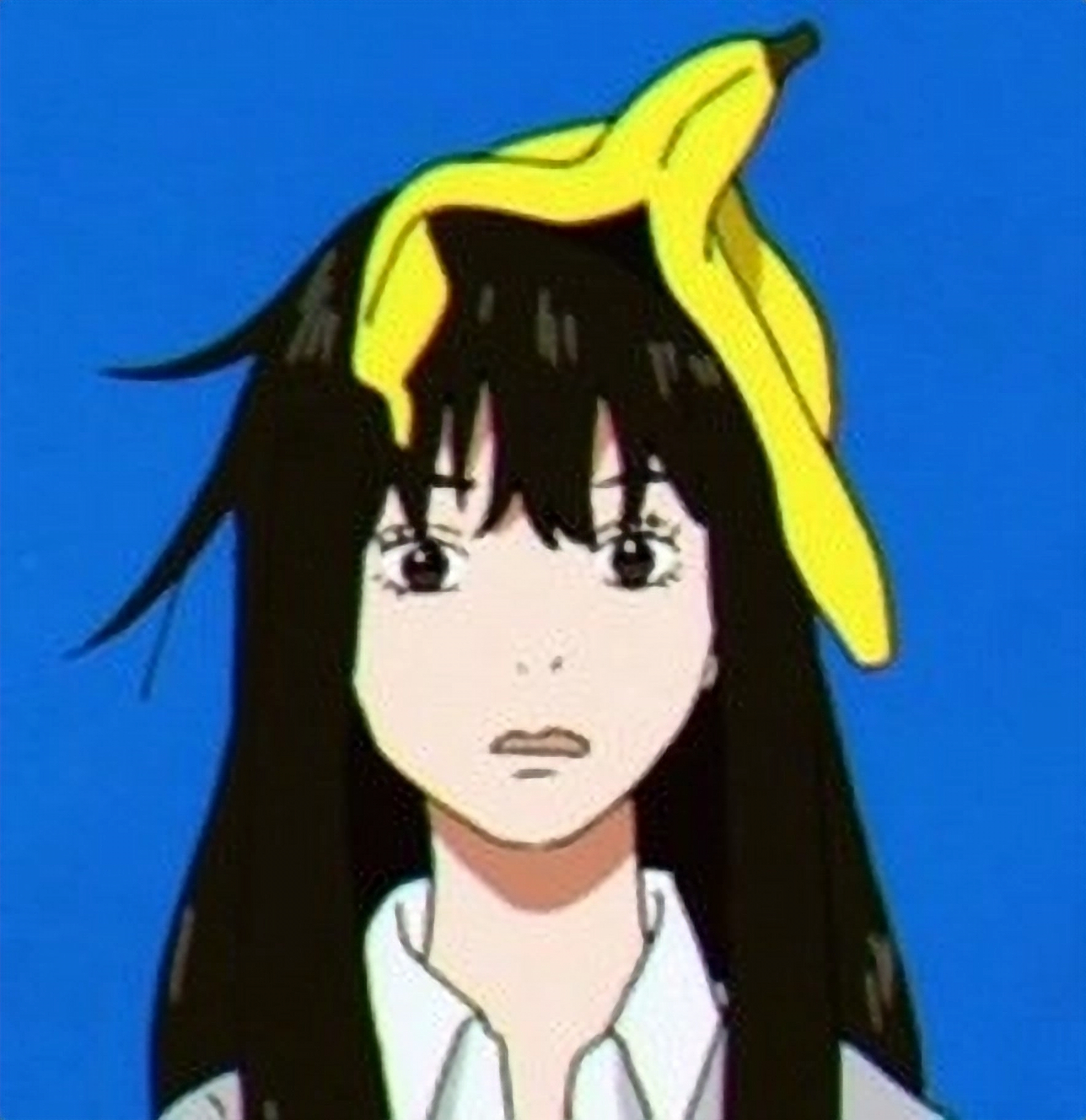
“Academic burnout is the exhaustion of students’ energy due to long-term academic pressure and burden, the gradual loss of enthusiasm for schoolwork and activities, indifference and alienation from classmates, and lack of enthusiasm for schoolwork.” — (Pines, 1980, & Meier, 1985, as cited in Liu et al., 2023)

We have all been there. I have been there.
Coffee at 3 a.m., racking your brain and still not understanding what went wrong. You stare blankly at pixelated screens, at your wits' end, unsure of what to do next. You may feel disengaged, tired, or irritable—emotions quietly building beneath the surface.
Sometimes, you persevere. Other times, the weight feels crushing, leaving you battered and helpless.
Although many of us have experienced this, we may not fully understand it. There may have been signs: unexplained procrastination, overwhelming emotions, and a lingering sense of unease. Guilt begins to creep in, and before long, you may feel as though you are drowning in waves of negative thoughts.
If this resonates with you, let me say this gently: you are not alone. Research shows that university students are affected by a range of factors contributing to academic burnout, such as academic demands, financial strain, and life-related pressures.
As the Chinese proverb goes, "Know yourself and know the enemy, and you can fight a hundred battles without defeat." In the same way, understanding academic burnout—its causes and symptoms—is the first step toward overcoming it. By recognizing the warning signs early, we can better equip ourselves to manage the pressures that lead to exhaustion and emotional depletion.
Causes of Academic Burnout
What overwhelms one person may not affect another.
We are, after all, only human. Each of us carries our own unique burdens, shaped by our experiences and expectations.
Still, there are struggles many of us share:
Academic Overload: Deadlines may feel like they are consuming you. Endless assignments and examinations can become overwhelmingly suffocating. Over time, these demands accumulate, leaving little room to rest or recover.
Poor School Climate: Unhelpful teaching approaches, lack of institutional support, or ongoing conflicts on campus can create a stressful and unwelcoming environment.
Family Pressures: Parents may hold high expectations while providing limited emotional or financial support. The pressure to meet these expectations—or to achieve financial independence—can feel relentless.
Individual Factors: “I’m not good enough.” “I need to do more.” Perfectionistic tendencies and self-imposed expectations can lead to unrealistic goals and constant self-criticism.
Symptoms of Academic Burnout
No two snowflakes are the same—and neither are students.
Burnout manifests differently for everyone. Some feel physically drained, while others lose their passion for things they once enjoyed. You might find yourself staring blankly at tasks, unable to focus, your mind drifting elsewhere.
Even so, there are common experiences:
Physical and Emotional Exhaustion: Heavy eyelids, sluggish movement, and emotional depletion. It can feel as though a weight is holding you back, making even simple tasks difficult.
Demotivation and Detachment from Academics: “I’ll do it tomorrow… definitely tomorrow.” Schoolwork may start to feel unappealing, and motivation becomes harder to sustain. Procrastination can turn into a persistent cycle.
Reduced Efficacy and Sense of Achievement: Words blur on the screen. Information feels impossible to retain. You may begin to doubt yourself, feeling that your efforts are meaningless.

Let’s Get Through This Together
As a student, I understand how heavy academic life can feel. Here are some practical (and even enjoyable) ways to help manage burnout and make things feel a little more manageable:
Participate in Enjoyable Activities
Before you think, “I’m burned out because I don’t have time for fun,” consider this: making space—even a small amount—for enjoyable activities can help you recharge and return to your work with a clearer mind. Some ideas:
Go for a brisk walk in the park
Practice meditation or relaxation exercises
Play Mahjong
Spend time with friends at a café
Watch comedy shows (like Impractical Jokers)—sometimes laughter really is good medicine
Set Realistic Goals with Organizational Tools
Time management may not be enjoyable, but it can make a significant difference. Using planners or apps can help you visualize your schedule—when to focus and when to rest. Some useful tools:
Google Calendar for tracking deadlines and exams
Physical planners
Notion for organizing tasks and to-do lists
Focus apps (e.g., Forest, Focus To-Do) to maintain concentration
Ask for Help
It’s natural to want to handle everything independently. However, reaching out—to friends, family, lecturers, or professionals—can lighten the burden. Sometimes, simply talking things through or receiving guidance can make a meaningful difference.
PSA: If you’re a HELP University student, remember that the Centre for Psychological and Counselling Services (CPCS) is just one appointment away!
Before we wrap up, a gentle reminder for you, who is reading this:
References
[1] Cuevas-Caravaca, E., Sánchez-Romero, E. I., & Antón-Ruiz, J. A. (2024). Academic burnout, personality, and academic variables in university students. European Journal of Investigation in Health Psychology and Education, 14(6), 1561–1571. https://doi.org/10.3390/ejihpe14060103
[2] Lin, F., & Yang, K. (2021). The external and internal factors of academic burnout. Advances in Social Science, Education and Humanities Research/Advances in Social Science, Education and Humanities Research, 615. https://doi.org/10.2991/assehr.k.211220.307
[3] Liu, Z., Xie, Y., Sun, Z., Liu, D., Yin, H., & Shi, L. (2023). Factors associated with academic burnout and its prevalence among university students: a cross-sectional study. BMC Medical Education, 23(1), 317. https://doi.org/10.1186/s12909-023-04316-y
[4] Tavella, G., Hadzi-Pavlovic, D., & Parker, G. (2021). Burnout: Redefining its key symptoms. Psychiatry Research, 302, 114023. https://doi.org/10.1016/j.psychres.2021.114023


Comments